Poppers
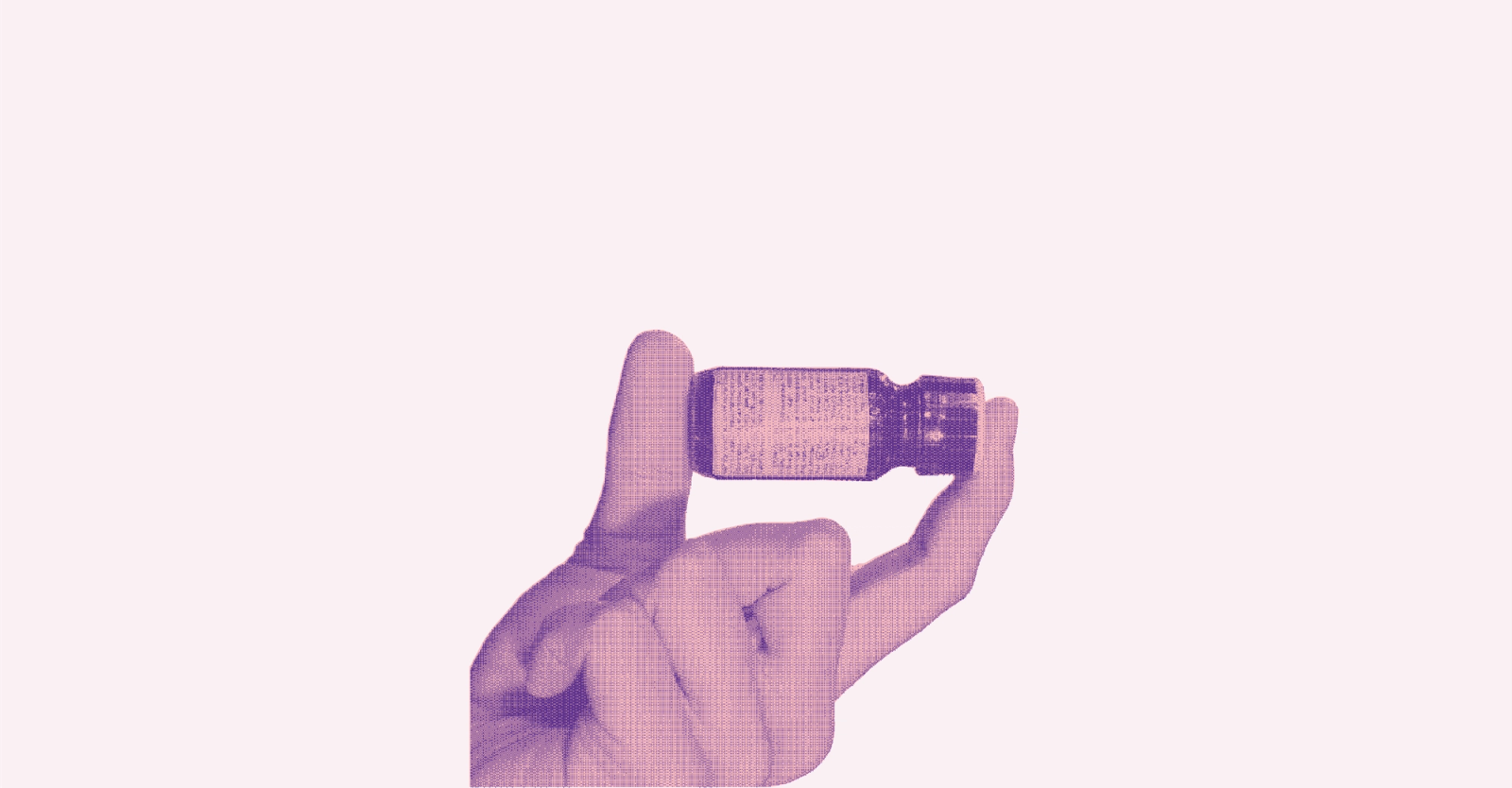
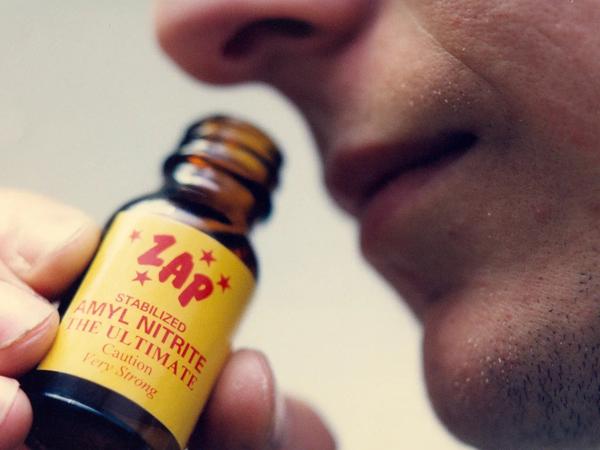
Poppers are inhalant drugs made from chemicals called alkyl nitrites. Amyl nitrite was historically one of the most common forms, which is why people still sometimes call poppers “amyl”.
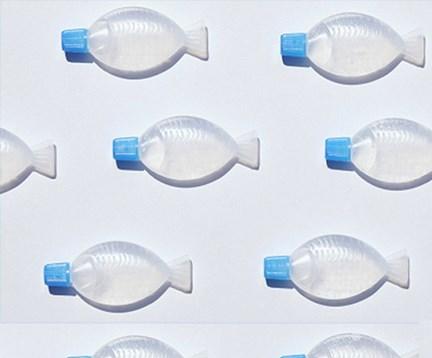
They are usually inhaled from a small bottle or inhaler. The effects begin within seconds and generally last only a few minutes.
You may also see poppers sold under brand names such as Rush or labelled as “leather cleaner” or “room odouriser”. These labels have historically been used to avoid restrictions on selling them for recreational use.
Why are poppers associated with queer culture?
Few substances are as strongly associated with gay and queer culture as poppers.
Poppers became closely associated with gay nightlife and sexual culture during the 1970s and 1980s, particularly in bars, clubs, bathhouses and other queer spaces.
There was a practical reason for their popularity. Poppers relax smooth muscle, including the anal sphincter, which can make receptive anal sex feel easier or more comfortable. They can also create a brief sense of warmth, euphoria and reduced inhibition.
But poppers became part of much more than sex. They were also present in dance culture, nightlife and spaces where queer people could be visible, connect with each other and experience sexual freedom.
Queer historian Adam Zmith has written extensively about the place of poppers in modern gay culture.
What do poppers do?
Poppers work by rapidly widening blood vessels and relaxing smooth muscle tissue. People commonly describe effects such as:
- A brief "rush" or head high
- Warmth
- Light-headedness
- Muscle relaxation
- Increased sexual pleasure
- Reduced inhibitions
The sensation is brief and can feel very different from person to person. Some people enjoy it, while others find it unpleasant.
Risks and side effects
Common side effects include:
- Headache
- Flushing
- Dizziness or light-headedness
- Nausea
- Temporary changes in blood pressure
- Irritation around the nose or airways
More serious effects include:
- Fainting
- Breathing difficulties
- Severe irritation or chemical burns
- Vision changes
Because poppers affect blood vessels and blood pressure, they may be particularly risky for people with certain cardiovascular conditions, anemia or glaucoma.
Seek medical help if you experience chest pain, difficulty breathing, severe weakness, blue or grey skin, or sudden changes to your vision.
Staying safer
Poppers are not risk-free, but a few precautions can reduce harm:
- Use them in a well-ventilated space
- Sit or steady yourself if you feel light-headed
- Take breaks rather than inhaling repeatedly
- Keep the liquid away from your skin, eyes and nose
- Do not share inhalers that make contact with the nose
- Stop if you feel faint, short of breath or unusually unwell
Poppers should only be inhaled. Never swallow the liquid. Ingesting poppers can cause severe poisoning and requires urgent medical attention.
Drug interactions and important warnings
Do not use poppers with erectile dysfunction medications such as Viagra or sildenafil, Cialis or tadalafil, and Levitra or vardenafil.
Both poppers and these medications lower blood pressure. Combining them can cause a sudden, dangerous drop in blood pressure, leading to fainting, loss of consciousness, heart problems or death.
This interaction can remain a risk after the medication was taken, particularly with longer-acting drugs such as tadalafil. Ask a pharmacist or healthcare provider how long you should wait before using poppers.
Poppers may also interact with other medications that affect blood pressure. Check with a healthcare provider if you are unsure.
Accessing poppers in Aotearoa
In Aotearoa New Zealand, alkyl nitrites have been regulated as prescription medicines since 2020. Some products may be available through a healthcare provider, although the products and pathways available can change.
A GP, sexual health clinician or pharmacist can advise you about current legal options.
Poppers, pleasure and harm reduction
Poppers have remained popular because many people enjoy their effects and the role they can play in sex, nightlife and queer culture.
Acknowledging that pleasure does not mean ignoring risk. Harm reduction starts with honest information about both: what people value about a substance, what can go wrong and how those risks can be reduced.
That information allows people to make decisions that reflect their own health, circumstances and priorities.