Mpox

Mpox is a viral infection caused by the mpox virus, a member of the orthopoxvirus family. While mpox has historically been found in parts of Central and West Africa, a global outbreak began in 2022 and led to cases being identified in many countries, including Aotearoa New Zealand.


Mpox is not technically a sexually transmitted infection (STI), but it can be spread through close physical and intimate contact, including during sex. Because many recent cases have occurred among gay, bisexual and other men who have sex with men, we have included it alongside other sexual health information.


Most people recover fully from mpox, but symptoms can be painful and may last for several weeks.
Symptoms


Symptoms usually develop between 5 and 21 days after exposure, with most people developing symptoms within 7 to 14 days. Common symptoms include:


  • Fever
  • Swollen lymph nodes
  • Muscle aches
  • Fatigue
  • Headache

These flu-like symptoms are often followed by lesions (sometimes described as spots, pimples, blisters or a rash). Lesions can appear anywhere on the body but are commonly found around the genitals, anus, mouth and face.


The lesions may be painful or itchy and usually crust over and heal over several weeks.


Some people develop lesions without experiencing flu-like symptoms first.

Transmission


Mpox is primarily spread through close physical contact with someone who has the virus. This can include:


  • Skin-to-skin contact
  • Sexual contact
  • Contact with mpox lesions or rash
  • Contact with bodily fluids, including saliva
  • Sharing contaminated bedding, towels, clothing or sex toys

People living in the same household as someone with mpox or providing care to someone with mpox may also be at increased risk of exposure.

Prevention


There are several ways to reduce your risk of acquiring mpox. These include:


  • Avoiding close contact with people who have symptoms of mpox
  • Avoiding contact with skin lesions or rashes
  • Not sharing towels, bedding or sex toys with someone who has mpox
  • Monitoring for symptoms after potential exposure
  • Getting vaccinated if eligible

Mpox vaccinations


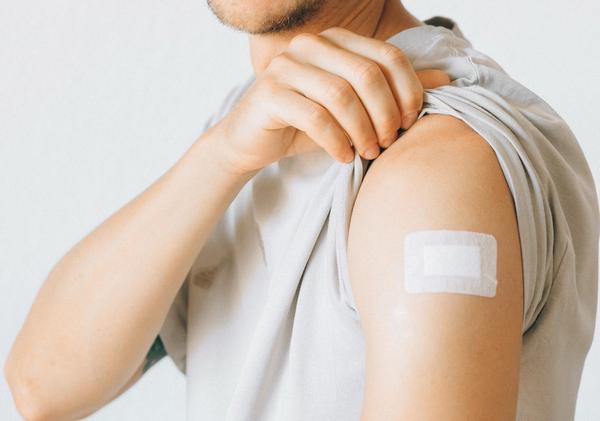
The JYNNEOS vaccine is safe and effective and can significantly reduce the risk of acquiring mpox or developing severe illness.


Two doses are recommended for longer-term protection. Vaccination may also be offered after exposure in some circumstances to reduce the likelihood of severe disease.


Find an mpox vaccine near you

Testing


Mpox can sometimes look similar to other conditions, including herpes, syphilis and other skin conditions.


The most reliable way to diagnose mpox is through laboratory testing of a lesion or skin sample.


If you develop symptoms consistent with mpox, particularly after close physical or intimate contact with someone who may have been exposed, seek medical advice and arrange testing as soon as possible.

Learn more


Mpox testing

Treatment


Most people recover from mpox without specific treatment.


Treatment usually focuses on managing symptoms such as pain, itching and fever while the infection runs its course.


In some situations, antiviral medications such as tecovirimat (TPOXX) may be used. Your healthcare provider will advise whether treatment is appropriate for you.

Some important things to know


  • If you have mpox, you should avoid sexual and intimate contact until all lesions have healed completely. Cover any lesions where possible and follow the advice provided by your healthcare team and public health officials.

  • People living with HIV are not necessarily at greater risk of acquiring mpox. People who are on effective HIV treatment and have an undetectable viral load generally experience a similar course of illness to people who do not have HIV. However, people with advanced or untreated HIV may be at greater risk of severe illness. We recommend that all people living with HIV consider vaccination against mpox.

  • While anyone can acquire mpox, the 2022 global outbreak disproportionately affected gay, bisexual and other men who have sex with men. This is largely due to patterns of close physical and sexual contact within connected social and sexual networks, not because of sexual orientation itself.

  • There is no shame in acquiring mpox. Stigma can discourage people from seeking testing, treatment and support. Open, non-judgemental conversations about mpox help protect individuals, partners and communities.