STI’s

STIs are common, and most people who are sexually active will encounter one at some point in their lives.


Understanding how STIs are passed on, what symptoms to look out for, and when to get tested can help you look after yourself and your partners.

Common STIs

What you need to know about STIs


A healthy sex life isn’t just about pleasure (although that’s important too). It’s also about looking after your sexual health.


Sexually transmitted infections (STIs) are common and can affect anyone who is sexually active. Some STIs are caused by bacteria, some by viruses, and others by parasites or fungi. Different STIs are transmitted in different ways and, unlike HIV, many can be passed on through oral sex, skin-to-skin contact, saliva, or condomless anal sex.


Having an STI is nothing to be ashamed of. STIs are a normal part of sexual health, and most can be treated or managed effectively when diagnosed early.


STIs are common


Anyone who is sexually active can acquire an STI. While some behaviours can increase the likelihood of exposure, STIs are not a reflection of who you are, how many partners you’ve had, or whether you’ve been “careful enough”. Sometimes it simply comes down to exposure and chance.


That’s why regular testing is one of the most important things you can do for your sexual health.

STI prevention


There isn’t a single prevention tool that protects against every STI, but there are several ways to reduce your risk.


Condoms and lube


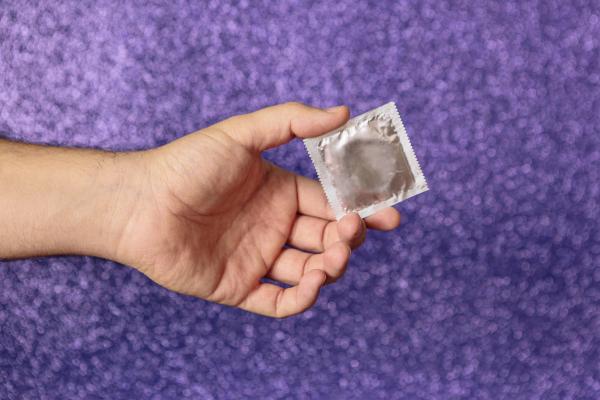
Condoms remain one of the most effective ways to reduce the transmission of many STIs, particularly those spread through bodily fluids. Using condoms with plenty of water-based or silicone-based lube can help reduce friction and lower the risk of transmission.


Vaccination


Safe and effective vaccines are available for some infections, including Hepatitis A, Hepatitis B and HPV. Vaccination can provide long-term protection and is an important part of sexual health care.


Regular testing


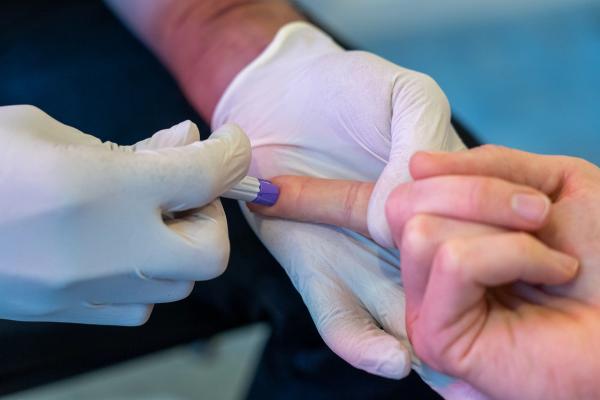
Many STIs have few symptoms or no symptoms at all, which is why regular testing is one of the most important things you can do for your sexual health.

Top tip


Burnett Foundation Aotearoa offers self STI testing kits and STI & HIV testing in our three centers across Aotearoa.


Order or book a test here

Please remember that if you are already displaying STI symptoms, we won’t be able to test you and must refer on to Sexual Health Services or your regular clinic to be tested and connected to treatment.


Sexual Health Services offer full STI screening services and can connect you to treatment immediately.


You can also request STI screenings with your personal GP.

Remember


Many STIs don’t cause symptoms, so regular testing remains the best way to detect infections early and look after both your own health and the health of your partners.

DoxyPEP


DoxyPEP involves taking doxycycline after sex to reduce the risk of acquiring some bacterial STIs, including chlamydia and syphilis. Research into DoxyPEP is ongoing, and recommendations continue to evolve. If you’re interested in whether DoxyPEP may be appropriate for you, talk to a healthcare provider.

Learn more about STI prevention and testing

STI symptoms


Many STIs cause no symptoms, which is why regular testing is so important.


When symptoms do occur, they can include unusual discharge, pain when urinating, sores, rashes, itching, swollen glands, or flu-like symptoms. Symptoms vary depending on the infection and can sometimes be mistaken for other conditions.


If you’re experiencing symptoms, you should seek testing and treatment through a sexual health clinic or your healthcare provider.

STI partner notification


If you are diagnosed with an STI, letting recent sexual partners know allows them to get tested and treated if needed.


Partner notification is an important part of preventing further transmission and helping keep communities healthy.


Top tip


Don’t know how to tell them? We can write the message for you!


Try our message generator

Helpful links


  • JustTheFacts.co.nz has pretty much everything you need to know about STIs and it’s all presented in a non-judgmental format that aims to reduce STI stigma
  • The Ministry of Health has information on New Zealand’s leading STIs and official treatment and prevention statements for the health system
  • The New Zealand Sexual Health Society has a comprehensive list of the sexual health clinics around the country