Chlamydia
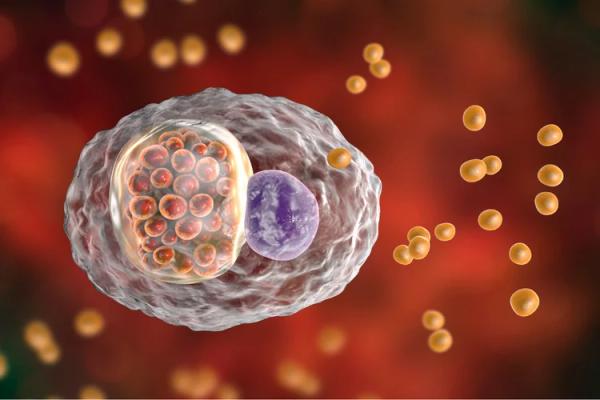
Chlamydia is a common bacterial sexually transmitted infection (STI) that can affect different parts of the body, including the genitals, anus and throat. Many people experience no symptoms, but it is easily treated with antibiotics once diagnosed.
On this page
Symptoms
Symptoms can be mild or absent, and it could take between 7 and 21 days to appear (this is why it’s really important to get tested for STIs regularly). If symptoms do occur, they can include:
- Abnormal (yellow or green) discharge from your penis or vagina
- Pain when you’re having sex, or peeing
- Pain in your testicles or abdomen
- Bleeding after sex, or between periods
Transmission
Chlamydia can be passed on through condomless oral, anal or vaginal sex (this includes rimming, fingering and sharing sex toys). It’s not only passed on through penetration though – touching an infected area and then touching your own penis, vagina or anus can also pass on the infection.
Prevention
There are several ways that you can prevent or reduce the risk of getting chlamydia:
- If you’re having sex with a penis, condoms are the most effective way to reduce the risk
- Washing your body parts after sex – especially if you are playing with more than one person – can help reduce the risk of getting chlamydia. Rinse your mouth, genitals and anus in between sessions
If you’re very sexually active, you have multiple partners, or you’re generally at high risk of STIs (for example – you’re attending orgies, sex parties or saunas often, or you’re going overseas for Pride), DoxyPEP can be a great tool for you. It involves taking 2 pills (or 200mg) of doxycycline within 72 hours after sexual activity and it has shown to reduce the risk of chlamydia significantly (and also syphilis).
Testing
Chlamydia is one of the STIs that a standard STI test will look for – so when you want to get tested, you’ll also be able to find out whether you have other common STIs like gonorrhoea or syphilis at the same time.
These STI tests involve collecting a sample of your urine, and also swabbing your mouth, vagina and/or anus. Usually, you will also need to give a blood test, which specifically checks for syphilis (and HIV, if you have opted to test for HIV as well).
There are several ways you can get an STI test:
- Through your GP (keep in mind your GP’s fees)
- At your local sexual health clinic for FREE
- At a Burnett Foundation Aotearoa clinic or pop-up clinic for FREE
- In the comfort of your own home with a self-test kit (from $20)
Your sample will be sent to a laboratory for testing, and you should hear back about your result within a week.
'Some pharmacies offer point-of-care tests or self-test kits for chlamydia, but their effectiveness is limited, so we don’t recommend them.
Treatment
If you test positive for chlamydia, don’t worry, and don’t feel bad or embarrassed about it! It is very common, it is easily treatable with a round of antibiotics, and it can be cured. There’s no shame in having chlamydia – it’s just important that you get it treated, as it can lead to more severe medical issues and complications if you don’t.
Your GP or sexual health nurse will get in contact with you to arrange a prescription of doxycycline (or something else if you have allergies), for you to pick up at a chemist. This is subsidised, so you will just need to pay the standard $5 prescription fee. It’s really important that you take the whole course of antibiotics, even if your symptoms get better, as this reduces the chance of the bacteria becoming resistant.
Sexual contact should be avoided for one week from the start of treatment to ensure the infection has cleared and that you’re no longer infectious. However, if you really want to have sex, make sure you use condoms.
If you have contact details and you can do so safely, we also recommend that you let anyone you’ve had sex with recently know that you have tested positive, and that they may want to get tested as well. To minimise the risk of reinfection, avoid further sex with these contacts until one week after they’ve also been treated.
Some important things to know
- There’s a testing window of 1-2 weeks for chlamydia, which means it may not appear on an STI test if you have just had sex with someone who had it.
- Sometimes you may be offered antibiotics before even receiving results from an STI test, if you’ve already had sex with someone who had chlamydia recently and you have symptoms of an infection.
- If left untreated, chlamydia can seriously affect fertility, so it is very important that you get tested every 3 months if you are sexually active and/or having condomless sex, and that you get treated as soon as possible if you do get chlamydia.
- If you’re able to get pregnant or are pregnant, keep in mind that chlamydia can be passed on to a baby if not treated before childbirth.
- If you’re living with HIV, chlamydia is easily treatable if you get tested and identify it early.