
Condoms and lube
Condoms are an effective way to help prevent HIV and many other sexually transmitted infections (STIs), including gonorrhoea and syphilis. Usually made from thin latex or latex-free materials, condoms create a physical barrier that helps stop viruses and bacteria from being passed between partners during sex.
When used correctly and consistently, condoms are highly reliable. Using lube alongside condoms can also improve comfort and reduce the risk of condoms breaking, particularly during anal sex.
Whether you are new to condoms or looking for practical tips and information, this page covers the basics of condom use, fit, lube and safer sex supplies.
This content is also available in:
Remember
This page contains references to penises - but not all condom users have one. Swap out any mentioned of penis/shaft etc with ‘dildo’ or ‘prosthetic’ and all the info still applies.
A beginner's guide to condoms
Using condoms can feel unfamiliar at first, but with practice they usually become easier and more comfortable to use.
Finding the right fit and learning how to use condoms correctly can improve comfort, sensation and reliability. Condoms are available in different sizes, shapes and materials, so it may take some experimenting to find what works best for your body.
Top tip
If you’d like a more explicit guide to putting on a condom (NSFW), you can view this here.
A step-by-step guide:
- Check the expiry date: Before opening the condom, check the expiry date on the wrapper. Expired condoms are more likely to break or tear.
- Open carefully: Open the packet carefully along the serrated edge. Avoid using sharp objects or teeth, as these can damage the condom.
- Check the direction: Make sure the condom is the correct way up before placing it on the penis. The rim should be on the outside so it rolls down easily
- Pinch the tip: Pinch the tip of the condom to remove trapped air and leave room for semen. Place the condom on the end of the erect penis.
- Roll it down: Use both hands to roll the condom down to the base of the penis. Smooth out any trapped air and apply lube if needed.
Finding the right sized condom

Many people are unsure which condom size or style works best for them - and that’s completely normal.
A condom that fits well is usually more comfortable, more reliable, and less likely to slip or break during sex. Because condoms come in different sizes, shapes and materials, it can take some experimentation to find the right fit.
To make this easier, our ordering form allows you to:
- Order specific condoms if you already know your preferred size or type.
- Using this option, you can also request a free Pūkoro Ure Fit Kit if you would like to try a range of options first.
The Pūkoro Ure Fit Kit contains a selection of condom sizes, lube sachets and information to help people identify a comfortable and suitable fit.
You can also pick up free condoms and lube from lots of places around Aotearoa, including community venues, sexual health clinics and selected bars and saunas. You can also get them prescribed from your GP or sexual health clinic.
Top tips
- Size: Most people are totally fine with standard condoms, but if yours feels too tight or loose, try another size.
- Thin vs thick: Thin condoms usually feel more natural and are still very effective for anal sex. Thicker condoms can reduce sensitivity a bit and some people prefer them for longer sessions.
- Latex allergies: If condoms feel itchy or irritating, you might be sensitive to latex. Non-latex condoms (usually polyisoprene) are widely available.
Lube
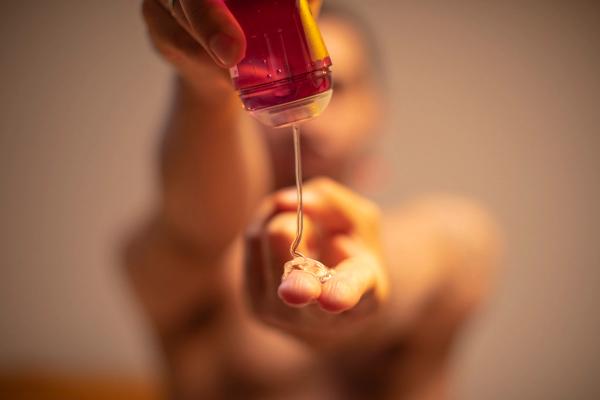
Lube can improve comfort during sex and help reduce friction and condom breakage. There are three main types of lube:
- Water-based
- Silicone-based
- Hybrid water/silicone-based
Different people prefer different types, so it can be helpful to try a few options.
Oil-based products should not be used with latex condoms, as they can damage the latex and increase the risk of breakage.
Keeping lube nearby during sex and reapplying when needed can help improve comfort and reduce friction.
Want to learn more?
When it comes to anal sex, it's really important to use lube. That’s easy enough to say, but how do you know what sort of lube to use when there are so many different kinds out there?
Condom breakage
Although condoms are highly reliable when used correctly, breakage can occasionally occur. If a condom breaks, tears or slips off during sex:.
- Stop and check the situation
- Consider HIV and/or STI testing if appropriate
- Seek advice about PEP if there may have been HIV exposure within the previous 72 hours
Checking condoms during sex to make sure they remain intact can also help reduce risk.
Top condom tips
Using condoms often becomes easier and more comfortable with practice. Some helpful tips include:
- Practicing putting condoms on beforehand
- Using a small amount of lube inside the condom for additional sensation
- Making sure the condom fits properly
- Keeping condoms nearby and easy to access
- Opening packets carefully before sex if appropriate
- Incorporating condom use into intimacy with partners in ways that feel comfortable and natural
Order yours today
Learn more
FAQs
HIV is not spread through saliva, even when used as lubricant for anal sex. However, if he had oral herpes this could be transmitted to your anus. Spit is generally not a great lubricant though, so this could lead to anal bleeding. We'd recommend getting a water-based lube from the pharmacy or supermarket (or in the free condom packs we give out!)
That's an interesting question as piercings are quite common these days. The best advice we can give on this is that you or your partner should remove the piercings before having anal sex. This is because there is a chance that the metal might break through the latex of the condom. Some might argue that the jewellery is smooth and won't tear the condom, but we reckon with metal against latex it's not worth the risk. Be aware too that piercings need time to heal after you first get them so sexual activity during the healing period should be avoided.