Pubic Lice
Pubic lice, often called crabs, are tiny insects that live in pubic hair and are spread through close physical contact, including sexual contact. They can cause itching and irritation but are easily treated with medications available from pharmacies or healthcare providers.
On this page
Symptoms
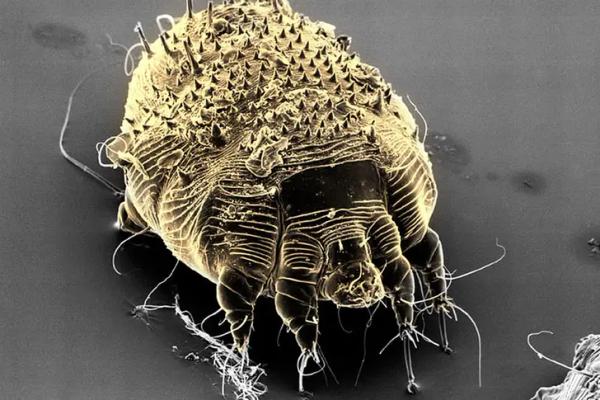
The most common symptom of pubic lice is itching in the pubic hair. Close inspection should reveal tiny lice clinging to the hair. There may also be nits (eggs) attached to the hair shaft. Crabs can also be found in beards, armpits, on chest hair and on the eyelashes. They usually show up from three days to several weeks after contact and are passed on by close body contact with someone who has crabs.
As crabs and their eggs can survive for some time away from the body, it is also possible to catch them by sharing towels, clothes or from someone else’s bed.
An external physical examination will show the presence of crabs.
Transmission
Pubic lice are usually spread through close physical contact, including sexual contact. They can also be passed on through sharing bedding, towels, clothing or other items that have recently been used by someone with pubic lice.
Pubic lice cannot jump or fly and require close contact to move from one person to another.
Prevention
The best way to prevent pubic lice is to avoid close physical contact with someone who has an active infestation until they have been treated.
If you are diagnosed with pubic lice, washing clothing, bedding and towels in hot water can help prevent reinfection. It is also important that recent sexual partners and anyone with close physical contact are informed so they can be checked and treated if necessary.
Testing
Pubic lice are usually diagnosed through a physical examination. A healthcare provider can often identify the lice or their eggs (nits) by closely examining affected hair.
Laboratory testing is not usually required. If you are unsure whether your symptoms are caused by pubic lice or another condition, seek advice from a healthcare provider.
Treatment
Crabs are easily cured by using appropriate genital lice shampoos and creams available over the counter at pharmacies. Shaving the pubic area will not get rid of crabs.
All bed-linen, clothes, towels and underwear should be washed in a hot soapy wash. Sexual partners and anyone in close physical contact should also be treated to avoid re-infection. It is also advisable to repeat the treatment after several days.
Some important things to know
- Pubic lice can affect anyone, regardless of age, sexuality or relationship status. Having pubic lice does not mean someone is unclean.
- Pubic lice are easily treated with medications available from pharmacies and healthcare providers. Most people recover quickly once treatment is started.
- To prevent reinfection, recent sexual partners and anyone with close physical contact should be notified and treated if necessary.
- Shaving pubic hair alone will not get rid of pubic lice. Appropriate treatment is needed to kill both the lice and their eggs.